
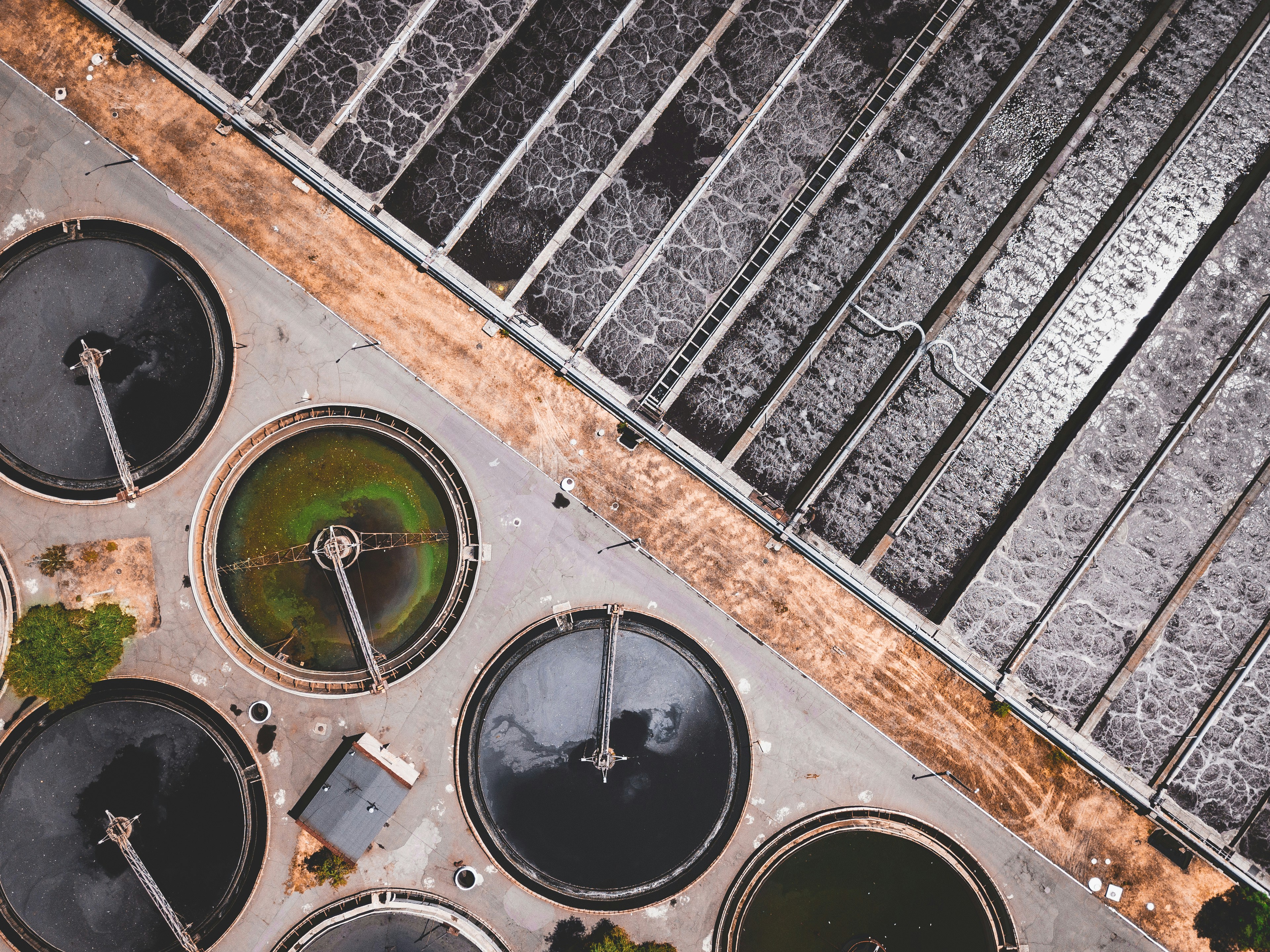
In an era where cyber threats are becoming increasingly sophisticated, the recent attacks on water systems in Augusta, Georgia, and other parts of the United States serve as a stark reminder of the vulnerabilities within our critical infrastructure. Linked to Iranian threat actors, these breaches underscore the growing risks faced by essential services that underpin our daily lives.
The Devastating Reality: Beyond Just Cyber Attacks
Water systems are not just targets; they are lifelines. Any disruption can lead to catastrophic consequences for public health, safety, and economic stability. The attack in Augusta is part of a broader trend where cybercriminals and state-sponsored actors are setting their sights on critical infrastructure, leading to unprecedented challenges for organizations charged with safeguarding these essential services.
Unveiling the Vulnerabilities: Why Water Systems Are Prime Targets
1. SCADA Systems: Supervisory Control and Data Acquisition (SCADA) systems, integral to managing water treatment processes, often present vulnerabilities due to outdated software and insecure communication protocols. 2. Aging Infrastructure: Much of the nation’s critical infrastructure is aging, with insufficient funding for modernization, leaving it exposed to exploitation. 3. Interconnected Systems: The cyber-physical nature of water systems means attacks can have cascading effects, affecting both digital and physical components.
Strengthening Defenses: Proactive Measures Against Cyber Threats
Protecting critical infrastructure requires a multifaceted approach:
1. Regular Security Audits: Identifying vulnerabilities is the first step in fortifying systems. Comprehensive audits can reveal weaknesses before attackers do. 2. Robust Access Controls: Limiting access to critical systems minimizes the attack surface. Implementing multi-factor authentication and strict role-based access controls are essential. 3. Stay Updated: Regular software patches and updates are vital. Outdated systems are low-hanging fruit for cybercriminals. 4. Employee Training: As phishing and social engineering remain common entry points, training employees to recognize these tactics is paramount.
The Way Forward: Safeguarding Tomorrow
The attack on water systems in Augusta is not an isolated incident; it’s a harbinger of future threats. Organizations managing critical infrastructure must adopt a proactive stance to cybersecurity, integrating robust measures that protect against ever-evolving threats.
At Denim IT LLC, we specialize in securing critical infrastructure through comprehensive services such as SOC 2 compliance and virtual Chief Information Security Officer (vCISO) consultations. Our expertise is your assurance of safety against cyber threats.
Conclusion: A Call to Action
The importance of safeguarding our water systems cannot be overstated. As cyber threats escalate, organizational vigilance must too. If you are concerned about the resilience of your systems, we invite you to reach out and explore how Denim IT can fortify your defenses. Together, let’s ensure that our infrastructure remains secure for future generations.